Showing posts with label Before You Buy a New TV. Show all posts

Thursday, June 9, 2016

TVs Explained: How To Choose The Perfect TV Size For Your Lounge Room

Best Buy Coupons 20% OFF Entire Purchase Enter this Best Buy 20% OFF Coupon Code  during checkout to get 20% 50%  Promo Code Off  for activity trackers & pedometers. Check Best Buy 20% OFF Promo Code now!
Flatscreen or curved? HD or 4K? Use this expert guide to cut through the sales jargon and find the best TV for you. 
TV

Buying a new TV There are hundreds of televisions available to buy - from cheap TVs for a bedroom or study, to large-screen sets that give you a cinema-like experience at home. While it's great to have such choice available, knowing what you want helps make the decision much simpler. This guide will help you choose the right size and brand of TV for your budget. You can also use the tool below to see the screen type, features and connections you'll need. When you're ready, browse our independent and expert TV reviews to find the set that ticks all your boxes.  

 What size TV should I buy? With the TV market continually shifting towards larger screens, it's now hard to get a top quality set smaller than 40-inches in size. However, bear in mind that with TV bezels (the frame around the screen) shrinking, larger sets might not be as big as you think. You can use our interactive online tool to find out what size of TV you should buy. We also publish size dimensions (depth, height and width) for all TVs that we test, so make sure you check out the Specifications tab in each review to see if the TV you're looking at will actually fit in your living room. If space is tight, a huge TV simply might not fit where you want to place it.  
Insignia™ - 50" Class (49.5" Diag.) - LED - 4K Ultra HD TV - Smart - Roku TV - Black - Larger Front

How much will I need to spend? TV prices can start at under £100, but go into the many thousands for huge screen models. It's best to decide on your budget before you hit the shops or go online, but with TVs now offering better value than ever, you may get more for your money than you expect. According to a recent survey, two thirds of Which? members told us they spent between £200 and £600 on their TV. Between £600 and £1,000 was the preferred budget for 21% of respondents, while just 9% splashed out over £1,000 on their new television.  

The good news is that you can now get a great TV regardless of your budget. Top notch 40 to 43-inch TVs are available from £350, while TVs of 50 or 55-inches start from around £800. Make sure you use the 'Where to buy' section of our reviews to get the best possible price for the model you're interested in. How do I choose the best TV brand?  There are loads of TV brands all vying for your attention and money. However, the majority of people will buy a TV from one the 'big four' TV makers – Samsung, LG, Sony and Panasonic.  Samsung is the market leader in TVs, followed closely by South Korean rival LG, and both have huge ranges going from cheap TVs to super-premium, big screen sets costing thousands of pounds. Sony and Panasonic have comparatively smaller ranges, but still have plenty to offer in terms of quality.  

Aside these four TV giants, there are various fringe brands, such as Toshiba, Sharp and Philips, who have all seen their fortunes rather fade in recent years. Finally, a big chunk of the market is taken up by cheap TVs from the supermarkets and own brands, such as Logik (Currys) and Technika (Tesco). These TVs generally have low price tags, but usually lack quality when we test them.  Should I go for HD or 4K? High definition TVs have been around for a while now and they come in two flavours. HD-Ready TVs are cheaper than ones marked Full HD, or HD Ready 1080p. Both can handle broadcast HD television, but it's best to go for a Full HD set if you can as that means you'll also get the best out of Blu-ray films. A new breed of TV is now available to buy with 4K, or Ultra HD (UHD), resolution. 4K TVs have four times the pixels of Full HD models, and so can display even more detailed and vibrant pictures. There's not much 4K content to watch, but a good 4K TV should enhance your regular viewing, too. Consider going 4K if you're upgrading, with good 4K TVs now available for under £500. For more on this, head to our What is 4K TV? guide. Are curved screen TVs worth the money? In the last few years, televisions with concave curved screens have started to emerge - firstly on high-end premium TVs but gradually filtering down to more affordable models. 

Manufacturers claim that curved TVs can enhance your viewing experience by 'wrapping' the picture around you, a bit like watching a film at the IMAX cinema. However, our expert and independent testing has indicated that the curved effect is minimal at best, and is only really visible if you sit dead straight on while watching the screen (something most people rarely do). Curved TVs still can perform well in our lab overall, but think carefully before buying if one is right for you. Bear in mind, too, that if you want to wall mount your TV, a curved model won't sit as flush as a flatscreen will. Plus, a curved screen can look a bit odd, or even warped, when viewed on an angle. When's the best time to buy a new TV? When you're ready to upgrade an older set, bear in mind that there are some seasonal trends that could help you bag a bargain. We know from tracking prices that June is a great time to buy a new TV as prices tend to be discounted across a wide range of technology products. You'll also see heavy discounting on TVs around the key sales periods, such as Black 
Friday/Cyber Monday in late November and the Boxing Day sales in December. Be aware, however, that the sales can involve price cuts on poor quality TVs as retailers try to shift unwanted stock. 

Make sure you check our reviews first before parting with your cash, so you don't up with a bad product. Finally, if you're not too fussed about the latest features, our research has shown that the previous year's TVs can have hundreds of pounds knocked off their price tags in the April to May period. This is to make room for the newer models - so shop smart and you can potentially pick up a still fantastic TV at an even better price.

Monday, May 2, 2016

The Best Way to Run an Air Conditioner

Best Buy Coupons 20% OFF Entire Purchase Enter this Best Buy 10% OFF Coupon Code  during checkout to get 20% 50%  Promo Code Off Clearance Mobile Phone Cases. Check Best Buy 10% OFF Promo Code now!

Even if you’ve replaced your old central air or room air conditioner with a brand new model with an SEER 13 energy rating, there are ways you can ensure that it works as efficiently now -- and in future -- as the day it was installed. How you operate your air conditioner may be as important as its size and Energy Star rating.

Keep It On

Don’t set the thermostat down low when you turn the unit on or make constant adjustments. It will take the house the same time to cool down to your desired temperature. Constant changes not only cause more energy use by fans, but lead to fluctuating temperatures. When the temperature rises, set your “AC” to the warmest temperature you can live with -- and leave it there The U.S. Department of Energy recommends keeping indoor temperature as close to outdoor temperature as you can stand for the best efficiency and most comfortable conditions.

Give It Help

Give your AC a rest during periods you’ll be away. Turn it off, or set it high, at 85 degrees Fahrenheit so the house doesn’t get so hot that it takes hours to cool down. When nights are cool, open windows to ventilate your house at night, particularly if you live in a climate with low humidity. Rather than running the fan in your air conditioner to circulate cool air, invest in a box fan to move air between rooms and improve ventilation and leave the air conditioner fan on the “auto” setting. An inexpensive circulating fan will move the air through your rooms more efficiently and save wear and tear on the pricey blower fan that you depend on to move air for both the AC and the furnace.

Improve Its Accuracy

Consider replacing your thermostat if you have the kind with the lever that you move behind a temperature scale for your central air unit. A digital thermostat with a day and night programming capability can save energy by cutting back on cooling when it’s not needed -- such as while you’re sleeping, out of the house at work and school and off to the cabin for the weekend -- without having to remember to change it manually. Another way to improve accuracy is to keep lights and other heat-producing appliances well away so their heat does not trigger the thermostat.

Keep It Clean

Never run an air conditioner with a dirty filter or litter in the aluminum blades that protect the condenser coils in the outdoor unit or behind the front panel of a window unit. Obstructing either limits the movement of air that is essential to your air conditioner. The less freely air circulates around the condenser and compressor coils, the harder the blower and fan have to work to send cool air into the building’s interior and vent hot air away from it. Vacuum or replace filters and clean delicate aluminum blades with a soft brush.

Thursday, April 28, 2016

5 Best Wireless IP Camera System in 2016 Reviews

Best Buy promo code 10% OFFEnter this Best Buy 10% OFF Coupon Code  during checkout to get 20% 50%  Promo Code Off Clearance Mobile Phone Cases. Check Best Buy 10% OFF Promo Code now!

Starting from the first practical photographic breakthrough by Louis Daguerre, way back in 1837, cameras have undergone magnificent changes over the two centuries. Let’s fast forward to today, wireless IP cameras are digital cameras often used for surveillance and are capable of sending and receiving data through the internet or computer network.

The beauty with these digital cameras is the wireless aspect of it, this means that when you hook your camera to a power source, there are no more worries of finding a cable that will essentially reach into your computer.

So how do you determine which wireless IP camera suits your needs?

Firstly, establish what you need. Many buyers often don’t really know which type of wireless IP camera suites and would satisfy their needs. As a result, they get sucked into buying wireless IP cameras that are beyond what they need.
Before clicking or picking on that item to buy, always ask yourself: what conditions will the camera be located in? (Hallway, outdoor, low light or bright); what precision of data do you want to capture? (HD images with or without audio) and most importantly, what is your budget?
Secondly, another essential feature to consider before getting yourself a wireless IP camera is the pan and tilt range. Of course, this feature will depend on the environment where you intend to use the camera. A wide pan and tilt range is never a bad thing.
Thirdly, zooming capability of the wireless IP camera is also vital. Ensure that you check the type of zooming capability, whether its optical or digital. Most of the IP cameras in the market are digital, but you’ll never fail to find one with optical zoom.
This feature becomes crucial depending on the environment you want the camera to focus on. If the distance between the camera’s location and environment is far apart, you better opt for one with optical zoom capability.
Fourth, test the equipment before purchase. This is vital, especially when you are buying from your local electronic store. Always request for a test setup as this will enable you to determine the picture quality of the camera. In addition, it will give you an opportunity to learn how to set up the equipment in a proper manner to ensure that you get the best image and audio quality.

Friday, April 22, 2016

5 Tips on Choosing a New or Used Smartphone

Look for coupon codes, Best Buy Coupons 20% OFF Entire Purchase plus Best Buy coupons 2016 for discounts on your purchases now. Get Best Buy Coupons 20% OFF , Save 20% OFF or More on All No-Contract Prepaid Phones, Exclusions, Terms and Conditions Apply!.
Deciding to buy a smartphone is a big decision, but it doesn't have to be complicated. By keeping a few key factors in mind, buyers can take a more focused approach to finding the right phone. Whether new or used, a smartphone is a handy device to own, but not all models offer the same features. Consumers can start by considering how and where they'll use their phone most. These clues can lead them to a smartphone that fits their needs and lifestyle. This guide will offer five sensible tips for choosing a new or used iPhone or Android smartphone.

By focusing on the way iPhone and Android devices differ, consumers will be better able to decide which brand will work best for them. After choosing a brand and model, buyers can look for new and used smartphones in many retail locations. Stores run by specific wireless carriers sell many different devices, as do big-box electronics retailers. Alternatively, many consumers opt to buy a smartphone via the Internet, either through online merchants or auction sites like eBay.

1. Explore Smartphone Operating Systems
Each type of new or used smartphone runs a particular operating system (OS) that can be updated but not changed once purchased. While they all aim to offer users similar features and capabilities, there are some important differences worth knowing about. Learning a bit more about the iPhone and Android operating systems can help buyers make a more informed purchase decision.

The iPhone Operating System
Many consumers find the iPhone OS's sleek and polished look to be irresistible. For some, Apple products are an instinctive choice because of the level of attention given to detail and design. The iPhone OS excels at multi-tasking by allowing apps to run in the background without sapping battery power. Several applications can run simultaneously with no negative effects to overall performance. The iPhone also offers an inbox that can be connected to multiple email accounts. With access to a large and vetted store of apps, users can customize their iPhone experience, but only to a point.

Some consumers are turned off by the fact that certain iPhone OS default applications can't be altered. This includes the Safari web browser, which is not capable of supporting sites that run Flash. Apple also strictly regulates its App Store, requiring approval for any apps made available to users. This approach can be a bit stifling to creativity, but it also ensures protection from malicious software. Consumers that prefer security and ease of use to device personalization will likely appreciate the benefits of an iPhone.

The Android Operating System
The Android OS is unique because it's an open source platform. This allows for a level of individuality that isn't offered by Apple. Anyone can create apps, and Google does not require approval before they can be offered to the public. Android smartphone users can purchase applications through many different vendors, which only adds to the wide variety of possibilities. Because manufacturers have free access to this platform, there are a number of brands producing Android phones. This leads to greater competition in the marketplace and more options for consumers. Android users can customize their device home screen to fit their needs.

With widgets, users have constant and convenient access to important processes and information like news and weather. Since Google contacts, calendar entries, and email are easily synced to Android smartphones, they are particularly suited to those that prefer Google services. The main downside of the Android OS stems directly from its biggest benefit. With little regulation, there is no standard for the quality of applications. It's up to the users to monitor the permissions requested by each app, and carelessness can compromise device security. Still, Android fans find this to be a small price to pay for the freedom offered by this versatile smartphone operating system.

2. Think About the Physical Characteristics
Physical appearance is one of the most important aspects to consider when choosing a new or used smartphone. Buyers generally formulate their first impressions based on the look and feel of a phone. Device features such as the display size, keyboard, and camera are often the deciding factors. Consumers will find that the abundance of Android models leads to greater diversity in smartphone size and shape. Even so, many consumers still prefer the polished design of the iPhone to the many Android formats.

Display Screen
Buyers will want to think about the display size and resolution when choosing a new or used smartphone. Those who plan to use their phone for Internet browsing and visual media may want a big screen. On the other hand, many smartphones with smaller screens are less bulky. With so many different Android models available to consumers, there are many screen sizes to choose from. The iPhone doesn't offer many options for screen size, but the advanced Retina Display Technology found in many Apple computers comes standard on some models. When it comes to screen size and image resolution, buyers will need to rely on personal preference and performance needs to make a decision.

Keyboard
The keyboard could easily be a deal breaker in the choice between Android and iPhone smartphones.. People who want a physical QWERTY keyboard on their smartphone will most likely opt for an Android. With so many different devices on the market, consumers can find various touchscreen and physical options available on Android smartphones. The iPhone does not offer any sort of physical keyboard, but its touchscreen is comparable to many Android touch formats.

Camera
Many consumers are concerned about the quality of the camera included in their new or used smartphone. Once again, with so many brands producing Android phones, there are many different cameras available. The standard iPhone camera is generally comparable to many higher-endAndroid camera phones.. Consumers will need to look at the product specifications to figure out the megapixel power of a particular smartphone's camera.

3. Consider Smartphone Storage and Battery Capacity
When selecting a smartphone, consumers will want to take battery life and device memory into consideration. It's important to note that iPhones and Android phones approach the idea of data and file storage a bit differently. With an Android phone, users have the option of adding to storage space using a microSD memory card. Some Android devices can handle up to 64 GB of additional memory. The iPhone does not offer the ability to expand device memory in this way. Instead, the original device capacity is supported by cloud storage space. Data saved to the cloud is stored on a separate server, not on the iPhone. While this offers an unlimited amount of storage space, it also requires an Internet connection for access.

When it comes to battery capacity, buyers will need to check out product specifications, since battery life tends to vary from device to device. People who rely heavily on their smartphone can look for a model that offers many hours of use between charges. Buyers may also want to learn some of the many tactics used by smartphone users to boost their battery life and cut down on unnecessary energy-sucking processes. Android owners also have the option of switching out their dead device battery for a fresh replacement battery,, but this strategy is not possible with the iPhone.

4. Learn More About Communication and Connectivity
With so many special features and functions available on various smartphones, it's easy to forget their main purpose, communication. Buyers will want to explore their network carrier options, as well as possible connectivity speeds. When considering the physical aspects of a phone, consumers should remember to think about how the phone will function when used to make a simple voice call.

They may also want to look into whether or not a particular smartphone will sync up with their email account, appointment calendar, and contact list. This may be especially important when considering a smartphone for business applications, since some companies only support a certain type of smartphone. Android and iPhone smartphones both offer a wide variety of communication and connectivity features. The challenge is finding the phone that best fits the consumer's current habits and preferences.

5. Conduct a Comparison of Various Smartphone Features
Consumers who have narrowed their search down to an Android or iPhone smartphone may benefit from a side-by-side comparison of features. This way, they can distill the overabundance of product information down to a few targeted points of interest. After carefully evaluating their options in this way, buyers may find it easier to choose between an iPhone and an Android device.

Android and iPhone Smartphone Features at a Glance
The following chart offers a simplified recap of some of the Android and iPhone features discussed in this guide. Buyers can reference this chart for a quick, easy-to-read summary.

Tuesday, April 19, 2016

Best Buy Coupons 20% OFF: 5 Tips for Picking the Right Smartphone

Look for coupon codes, Best Buy Coupons 20% OFF Entire Purchase plus Best Buy coupons 2016 for discounts on your purchases now. Get Best Buy Coupons 20% OFF , Save 20% OFF or More on All No-Contract Prepaid Phones, Exclusions, Terms and Conditions Apply!.
Best Buy Smartphones are supposed to make our lives easier. With the right smartphone you can manage e-mails and appointments, get directions, keep track of your workouts and what you eat, shop, share information with friends, listen to music and watch movies. So why is finding the right smartphone so darn confusing?
Lots of people feel stupid when picking a smartphone. Which is the best platform, Android or iPhone? How can you find the best deal on the phone you want when not every cell phone carrier sells or works with all models? How can you avoid paying for minutes or data plans you never use? How can you avoid overage charges? Which phones have features worth skipping and which features are must haves? Do you even need a smartphone or will a regular mobile phone do?
Smartphones aren't cheap (and neither are the plans they sometimes require), so taking the time to do a little research first and figuring out exactly what you need, want, and can do without, is worth it. We'll show you how to narrow down your options, find the right phone, carrier and plan for you so you end up with the right smartphone -- and maybe even some money left in your pocket. With these five tips for picking the right smartphone, you'll be leaving the cell phone store with the right phone and feeling downright...well, smart.

This seems like a pretty silly statement, but the first step in picking the rightsmartphone is to make sure you actually need one. Smartphones are expensive, and so are the coverage plans they require. It's easy to use more data than your plan allows and wind up with expensive overage charges. Even if you don't go over, you could end up paying for a data plan that you barely use.
So, how do you know if you need a smartphone? Look at how you use your current cell phone. Maybe you only use your phone for talking and the occasional text message. If you already have a GPS system and an MP3 player, you can make do with a regular phone that doesn't offer music or directions. You might not want e-mail on your phone. Getting a smartphone often means having immediate access to work e-mails, social media and the Web. Not everyone wants to be that connected.
On the other hand, think about how you'd like to use your phone. If you hate feeling like you're missing out on the latest tweets, updates from your friends, and news, then a smartphone will probably seem worth it to you. If your job requires you to be connected all the time, providing immediate responses to e-mails and questions, a smartphone makes sense. You may already have an MP3 player and GPS, but having all those features in one handy device can make life easier and less cluttered. Finally, if your lifestyle has a long commute on public transportation, or if you often have a lot of downtime when you're in public, a smartphone can help you pass the time.

Wednesday, November 18, 2015

Best Buy Coupons 20% OFF Entire Purchase For over 300 Black Friday Deals

Best Buy Coupons 20% OFF Entire Purchase: Just reveal over 300 more Black Friday Deals. Get Best Buy Coupon, Promo Code 2015 and Enjoy shopping at Best Buy!

Samsung 4K Ultra HD TV: With an expansive 2160p screen and 4K Ultra HD resolution, this TV brings your shows and movies to life. Smart options such as ConnectShare movie and screen mirroring offer endless streaming and connection capabilities.

Toshiba 49L310U LED HDTV: This TV lets you view movies, TV shows, video games and more at Full HD resolution. Plus, a USB port lets you view compatible image and video files by plugging in a USB storage device.

Friday, October 23, 2015

Best Buy Coupons 20% OFF Entire Purchase: HOME THEATER ESSENTIALS

>>> Enter Best Buy Coupons 20% OFF Entire Purchase Home Theater Essentials. Take Up to 60% OFF Hottest Deals of the Week + FREE Shipping on orders over $25 at Bets Buy!!!


Complete your entertainment space with a TV mount, universal remote control, stylish furniture and much more.

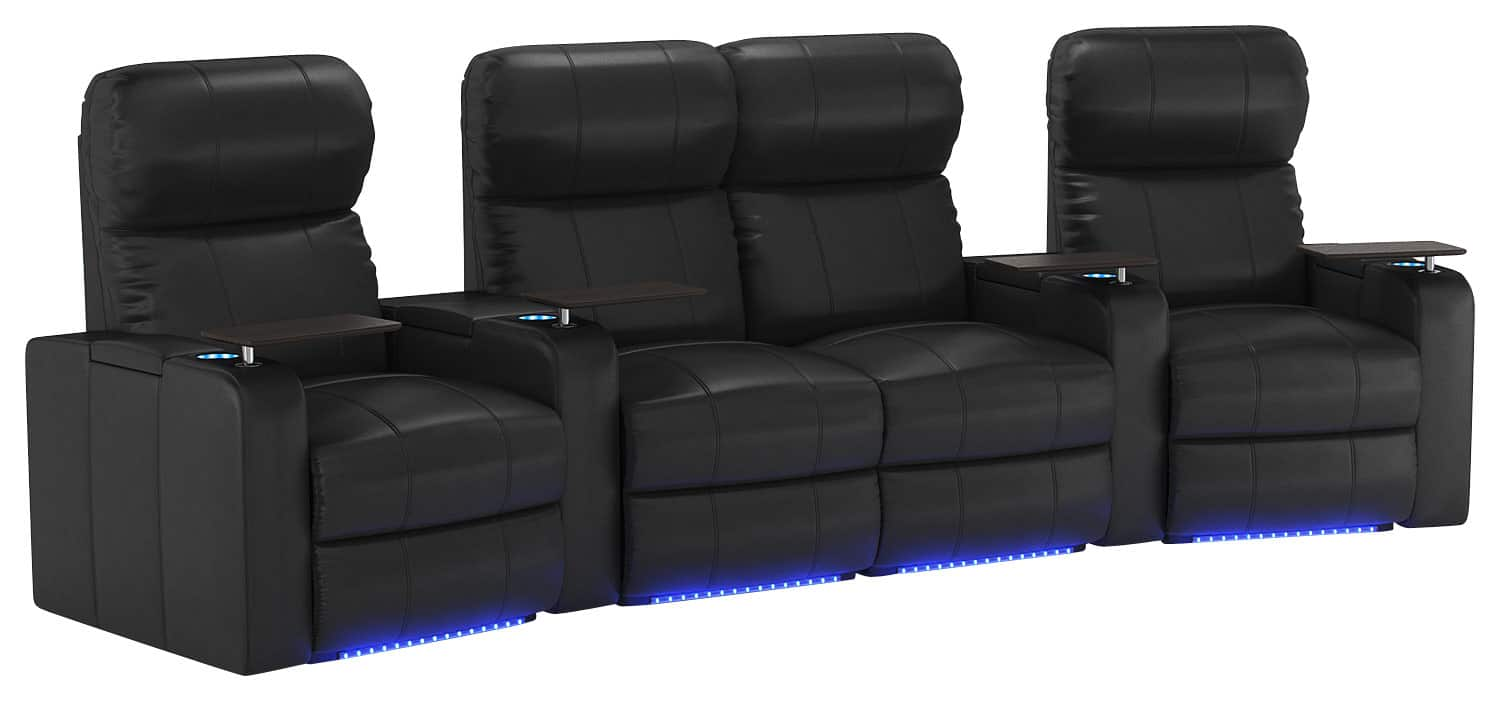
Octane Seating - Turbo XL700 4-Seat Curved Power Recline Home Theater Seating with Middle Loveseat - Black

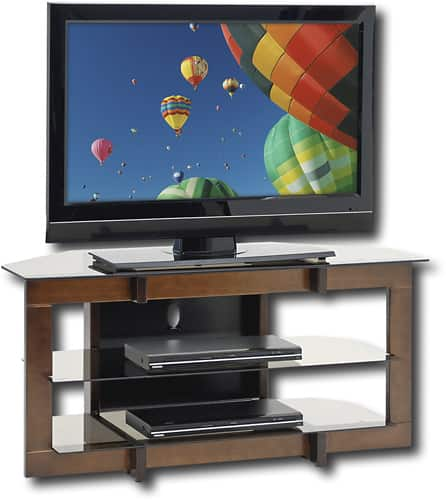
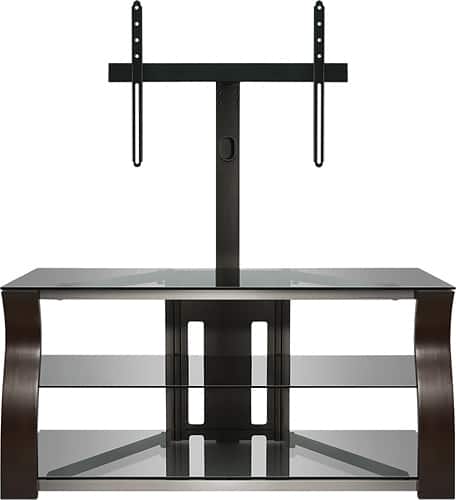
Holds up to 4 A/V components; solid wood construction; 3 glass shelves; brushed nickel hardware; cable management system; includes swiveling wall bracket


Enter Buy Promo Codes during checkout for the discount October 2015. View the Best Buy weekly ad and Deal of the Day online and find a great deal with special sale prices this week at Best Buy.

Tuesday, October 13, 2015

Best Buy Promo Code October 2015: 9 Must-Know Tips Before You Buy a New TV

>>> Use Best Buy Promo Code October 2015 for 20% OFF on  TVs, LCDs, Audio and Electrics items! FREE Shipping inlcuded for using Best Buy Promo Code 2015 before October 2015!
When considering buying a brilliant TV to stand against or hang from a wall as the centerpiece of a living room, many just think about two factors: How big it is and how much it is. For some people, buying a TV may never come down to anything more than that. But if you truly want to be getting the most for your money, you’ll want to understand what’s really going on with the TVs you check out.
As with all electrical technology, there’s a profound level of complexity and most of us could never hope to understand it — though many of us also wouldn’t care to know how it all works. What really matters when we’re shopping is what it all means to us as the user of the product. So, let’s examine the aspects of most importance in TVs to get acquainted with what they mean for you.

Display Types

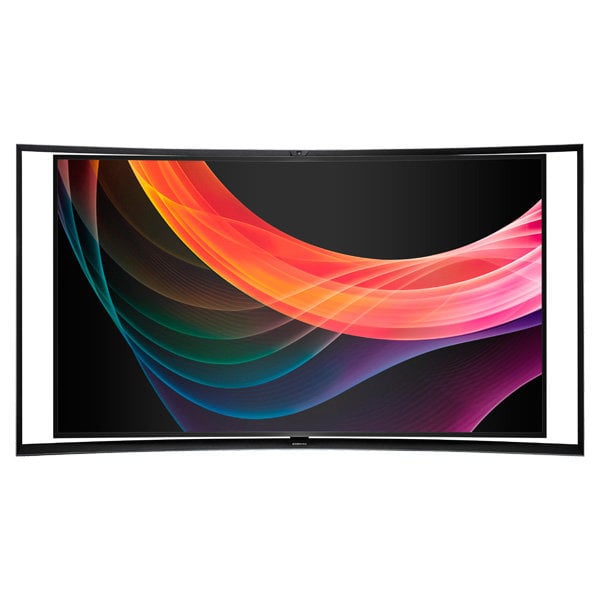
Samsung OLED
Source: Samsung.com
One of the first things you’ll want to do to narrow down your browsing is to figure out what type of TV you want. There are LCD TVs, LED TVs, OLED TVs, and plasma TVs to chose from.
Plasma: If you’re planning on getting a relatively big TV and are going to focus on high-quality cinematic viewing, a plasma TV might be for you. They tend to have excellent color quality and a high contrast ratio (we’ll get into that later), creating a beautiful image. On top of that, they often have a wide viewing angle, so it’s easier for multiple people to gather around the screen and still see a clear picture from where they’re sitting without odd color distortion or no image altogether. They aren’t the brightest TVs though, so ambient light can become a particular problem for plasmas.
LCD: Liquid Crystal Displays are pretty common to find and may be the cheapest option. They’re energy efficient and usually have good color. For simple use, they’ll probably get the job done. However, if you’re trying to do high frame-rate gaming, they might not be the best choice. On top of that, for a home theater, they tend to have very limited viewing angles, so the person sitting right at the side of the screen is going to have a really hard time watching anything.
LED: TVs branded as LED are actually just LCD TVs that use LEDs as a backlight for the liquid crystals in the display. If it has “local dimming,” it will have an advantage when it comes to contrast ratio, which is a plus. On top of that, they are less power hungry than standard LCDs and Plasma. Unfortunately, they may be more expensive.
OLED: Organic Light Emitting Diode TVs actually are different from LCD TVs. OLED TVs use colored LED lights to create the image, so they save on power, though not always as much as LED TVs. They do manage to create a high quality image, and a bright one at the — so they may be best for those planning on watching TV a lot during brighter hours when a glare could be a problem. Unfortunately, it’s a costly product to make, so it will force you to pay a bit more. They also suffer from some of the viewing angle problems that effect LCD TVs.

Contrast Ratio

I threw this term around lightly in the last section, and some manufacturers will throw this term around lightly as well. Many companies determine the contrast ratio of their TVs very differently. The contrast ratio is simple the difference in brightness between the darkest black and whitest white the TV can produce. With a low contrast ratio, black areas of an image might appear more like a washed out gray, or bright areas may lack vibrance. You’ll often see numbers like 2,000:1 or 5,000:1 to indicate the contrast ratio, and the bigger that ratio, the better — in theory.
Because manufacturers measure and report the ratios differently you might come across a TV with a 1,000,000:1 contrast ratio that still won’t create as pretty an image as a TV whose manufacturers reported as having only a 5,000:1 contrast ratio. Your best bet is to check out an external review site that tests contrast ratios. Otherwise, be sure to view the TV in a dark place, as ambient light will make it hard to tell how dark the TV’s black can get. If you know you might not have time to do all that while browsing, just pay attention to when a contrast ratio is advertised as “true” or “native” as opposed to “dynamic.” The true or native contrast ratios are more likely to give you numbers within reason that can be compared to other TVs.

Color reproduction/color depth

Source: Thinkstock
This isn’t very likely to come up, as most TV manufacturers will keep their color depth at a level that won’t frustrate consumers, but if you’re shopping for a real bargain-priced TV, you may want to make sure you get one with a bit depth of “8 bits per channel” or more, with particular emphasis on “per channel.” This will ensure the TV is able to create enough colors to satisfy the human eye and present photo-realistic images.

Aspect Ratio

This one shouldn’t take much thought. The aspect ratio is simply the ratio of the TVs width to its height. It has no particular effect on the quality of the image created by the TV. It’s most important for what you plan to view most, as you’ll want to be sure the TV’s aspect ratio is close to the aspect ratio of whatever you watch most. If you watch a lot of films, you’ll probably be looking toward wider aspect ratios, so you don’t have to leave a large portion of your screen functioning as an unspectacular letterbox. You’ll probably find a lot of 16:9, and that will probably be good enough, but if you want to watch a lot of modern, widescreen Hollywood movies, you may look around for 2.4:1.

Refresh Rate

The refresh rate of your TV is the number of times the image on the screen is refreshed per second. It’s measured in hertz, so you might see 60Hz or 120Hz listed on the box. Fortunately, you can trust this number a lot more than you could trust the contrast ratio. Higher refresh rates create a smoother flow between images and reduce motion blur — handy if you watch a lot of action movies. High refresh rates can also be good for gaming.
It’s important to keep in mind that the TVs refresh rate might not always match the refresh rate of the content going in. If you’re running and HDMI cable from your 60Hz computer to watch something from it on your 120Hz TV, the TV will have to do something to fill in the gaps. Some TVs will do what is called interpolation, which creates an image that fits between images it’s given, effectively doubling the frame rate of whatever you’re watching. Sometimes this feature is desirable, other times it creates an odd effect that makes the video too smooth and seem more like a soap opera than a feature film. Keep an eye out for features with the word “smooth,” “motion,” or “scan” in them, as that will likely indicate interpolation — fortunately, it generally can be turned off.

Input lag


Knowing that, it’s obvious that gamers should look for TVs with shorter lag. Some TVs will feature a special gaming mode that allows the input signal to skip through certain processing that would otherwise create lag.This specification is of particular importance for gamers. Input lag is the time gap between an input going into the TV and the TV creating the image. The greater the lag, the further behind what’s on the screen is from what’s actually happening in the game. Aside from just making the controls feel unresponsive in a game, a long lag can make a fast-paced game impossible.

Inputs

The TVs you look at may have more input options than you will ever know what to do with. What’s important is that you know what you will be trying to connect to your TV. If the TV has a coaxial F connector, you don’t need to worry about that if you only plan on plugging things in via HMDI and it has plenty of those.
To input a signal from a computer, modern game console, or Blu-ray players, you’ll probably want HDMI inputs. If you feel the need to connect an old VCR or DVD player, you’ll want to make sure it has analog composite inputs. For a cable box, look for a coaxial cable input. Also, if you’re planning to connect a device that uses HDCP (High-bandwidth Digital Content Protection), like many Blu-ray players, you’ll want to make sure that the TV you buy also uses HDCP.

Hold on, what’s a Smart TV?

For some, a smart TV might actually be the route to go. Smart TVs connect to the internet and can stream content that way. They often include applications like Netflix so customers require fewer devices to get started with their movie or TV watching. Some connect via Wi-Fi, while others might only have an ethernet jack. If you don’t want to deal with a lot of wires and want an uncluttered space around the TV, a smart TV might be the best option.

Well, what’s a 4K TV?

You might be seeing a lot start to pop up about 4K TVs. Just as 1080 was the buzz number when HD TVs were coming into fashion, 4K is simply the next step. A 1080p screen would have 1,080 pixels in each vertical column and 1,920 pixels in each horizontal row. The 4K defies the convention by instead counting the horizontal pixels.
What’s important to note is that the number of pixels on a screen doesn’t define the clarity of the image, but rather the density of those pixels does, along with the source resolution. If you have a 24″ 1080p TV and compare it to a 48″ 4K TV, they will have about the same pixel density. So, unless the two TVs are displaying images that are higher than a 1080p resolution, they will have the same level of clarity, but the 4K TV will show it at four times the size, which may still help you see details better. Of course, if a 4K TV and 1080p TV are the same size, the 4K TV will have notably higher image clarity for everything above 1080p resolution. Just keep in mind that a TV being 4K doesn’t mean you should ignore all the other aspects of the TV.
Understanding all of these details a little better should make it a lot easier for you to know what you’re getting when picking out a TV to complete your home theater, gaming rig, or just that empty space on your kitchen counter.